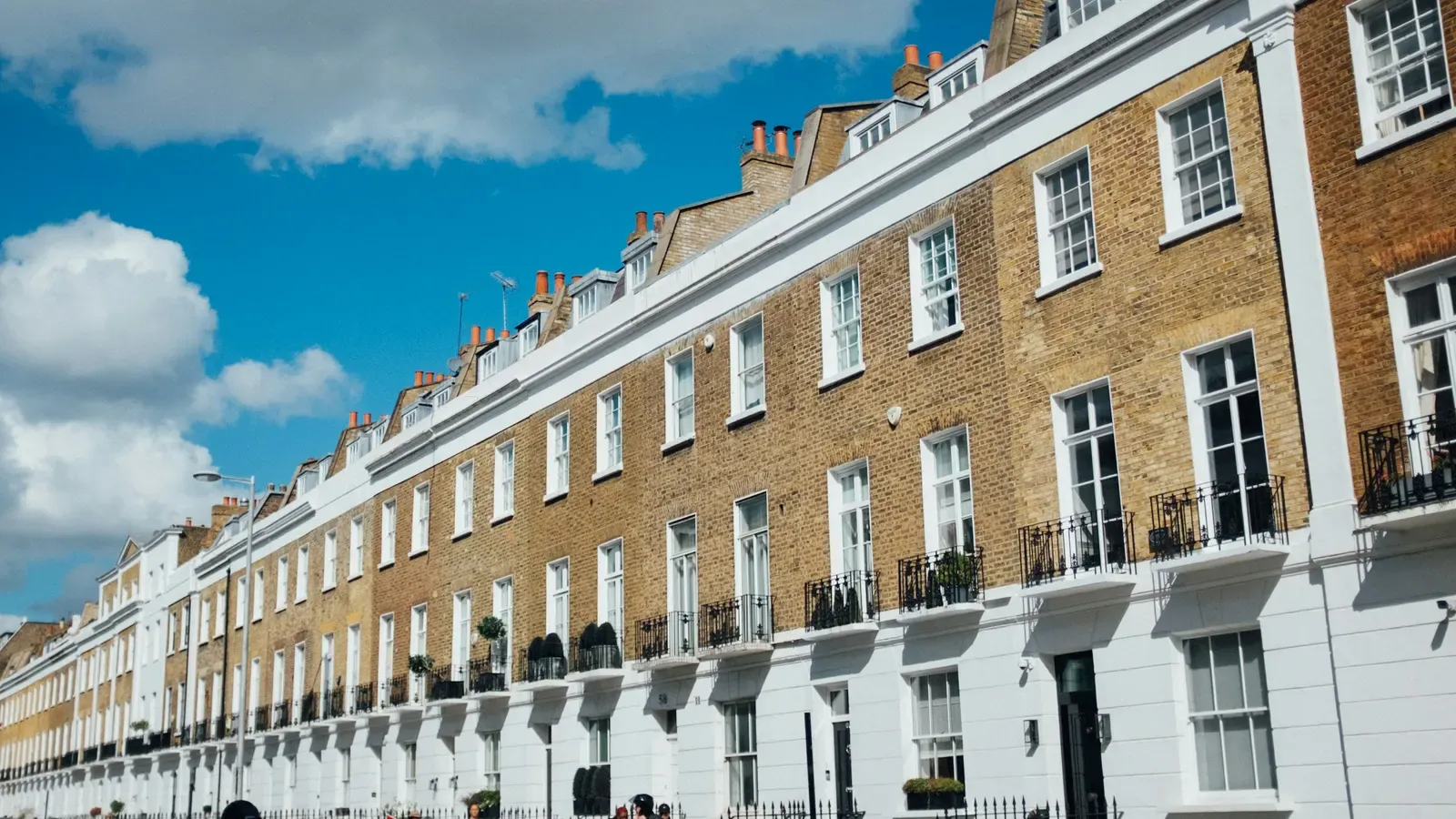
Architecture practice in London with architects on the Architects Registration Board (ARB) register.
On the ARB register · not yet claimed
London

Architecture practice in London with architects on the Architects Registration Board (ARB) register.
Architecture practice in London with architects on the Architects Registration Board (ARB) register.
Architecture practice in London with architects on the Architects Registration Board (ARB) register.
Architecture practice in London with architects on the Architects Registration Board (ARB) register.
Architecture practice in London with architects on the Architects Registration Board (ARB) register.
Architecture practice in London with architects on the Architects Registration Board (ARB) register.

Architecture practice in London with architects on the Architects Registration Board (ARB) register.

Architecture practice in London with architects on the Architects Registration Board (ARB) register.

Architecture practice in London with architects on the Architects Registration Board (ARB) register.

Architecture practice in London with architects on the Architects Registration Board (ARB) register.
Architecture practice in London with architects on the Architects Registration Board (ARB) register.
Architecture practice in London with architects on the Architects Registration Board (ARB) register.
Planning decisions are made by 32 London borough councils + the City of London Corporation (33 local planning authorities). London has 33 planning authorities (32 boroughs and the City of London); the planning figures below add them together.
Checked against the linked sources on 14 October 2026 · London, planning statistics to June 2026; council pages read 14 October 2026
A postcode in London sits inside exactly one of 33 local planning authorities: the 32 borough councils plus the City of London Corporation. Each runs its own online planning search, validation checklist and committee. There is no single London portal, so the first job for any project is to confirm the borough. GOV.UK's find your local council tool does that from a postcode, and our guide to finding your local planning authority explains what to look for once you are on the council's site.
Two planning layers sit above the borough. The Mayor's London Plan sets strategic policy, including its policy on small housing sites under 0.25 hectares, which matters if your idea is closer to adding a home than adding a room (London Plan 2021, chapter 4). National permitted development rules then apply on top, except where a borough has switched them off locally. Everything else, from garden basements to window styles, comes from borough documents.
Between July 2025 and June 2026 the 33 authorities together decided 23,967 householder applications. They granted 85.8% of them, and we calculate that 93.5% were decided within eight weeks or an agreed extension (MHCLG planning statistics). Those are London-wide sums. A single borough's approval rate can sit well above or below that average, so look up the council you will actually apply to, and treat the figures as context, not a forecast for your drawing.
| Measure | London figure | Period |
|---|---|---|
| Householder decisions (33 authorities) | 23,967 | Year to 30 June 2026 |
| Householder decisions granted | 85.8% | Year to 30 June 2026 |
| Average house price | £550,037 | July 2026 |
| Homes built before 1919 | 28.9% | At 31 March 2026 |
| Homes built 1919 to 1939 | 22.0% | At 31 March 2026 |
| Population | 9,122,909 | Mid-2025 |
Quite different, and the councils say so in their own words. Islington reports that it has removed permitted development rights through an Article 4 direction in 40 of its 42 conservation areas, so even changing external doors or windows may need an application there (Islington, permitted development). Lambeth lists nine conservation areas with directions, among them Albert Square, Hyde Farm and Stockwell Park (Lambeth, Article 4 directions). Haringey's page describes four directions within conservation areas, alongside separate ones for houses in multiple occupation (Haringey, Article 4 directions).
Basements show the same pattern. The Royal Borough of Kensington and Chelsea adopted a Basements supplementary planning document on 14 April 2016 to support the basement policy in its 2019 Local Plan (RBKC, Basements SPD). Camden publishes its own basement guidance and asks for supporting technical assessments (Camden, basement developments). A neighbour two boroughs away may have nothing comparable. The lesson is to read your own borough's documents before you accept advice that was true somewhere else.
| What | Figure | Source |
|---|---|---|
| Householder decisions by London's 33 authorities | 23,967 decisions in the four quarters to 30 June 2026 | MHCLG, Live tables on planning application statistics: District planning application statistics (PS2), last 4 quarters to 30 June 20261 July 2025 to 30 June 2026; published 24 September 2026, read 13 October 2026 |
| Share of those householder decisions granted | 85.8% | MHCLG, Live tables on planning application statistics: District planning application statistics (PS2), last 4 quarters to 30 June 20261 July 2025 to 30 June 2026; our calculation from the published counts |
| Householder decisions made within 8 weeks or an agreed extension | 93.5% | MHCLG, Live tables on planning application statistics: District planning application statistics (PS2), last 4 quarters to 30 June 20261 July 2025 to 30 June 2026; our calculation from the published counts, not a headline MHCLG measure |
| Average London house price | £550,037 | HM Land Registry / ONS, UK House Price Index data downloads July 2026, average price (not seasonally adjusted), London regionJuly 2026; published 16 September 2026 |
| London homes built before 1919, and between 1919 and 1939 | 28.9% and 22.0% of dwellings | Valuation Office Agency, Council Tax: stock of properties 2026, Table CTSOP4.0, London regionStock at 31 March 2026; published 24 September 2026 |
| London's population | 9,122,909 people | ONS, Estimates of the population for England and Wales, mid-2025 (2023 local authority boundaries)Mid-2025; released 29 July 2026 |
| Islington conservation areas with permitted development rights removed | 40 of Islington's 42 conservation areas | London Borough of Islington, Permitted developmentPage read 14 October 2026 |
| Notice before work to a party wall | At least two months before the planned start (one month for excavation near a neighbour's building) | GOV.UK, The Party Wall etc. Act 1996: explanatory bookletBooklet read 14 October 2026 |
| Richmond upon Thames householder pre-application advice | A charged written service for non-listed homes that does not include a meeting with a planning officer | London Borough of Richmond upon Thames, Pre-application advicePage read 14 October 2026 |
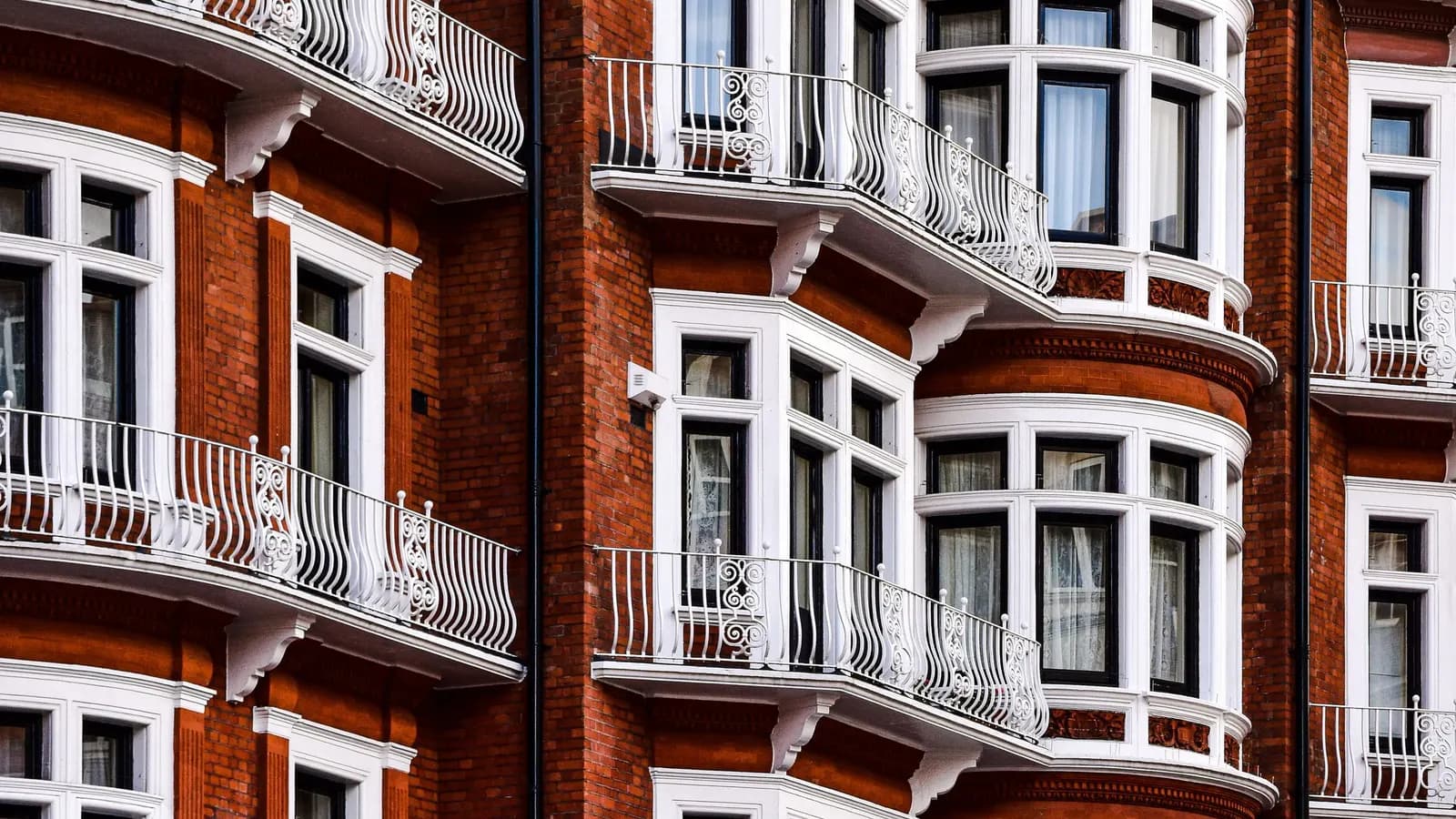
Adding the two Council Tax age bands, roughly half of London's dwellings predate 1940: 28.9% were built before 1919 and 22.0% between 1919 and 1939 (VOA, Council Tax stock of properties 2026). The figure includes flats as well as houses. For a house of that age, an architect will usually start with what is already there: solid brick walls, shallow rear returns, ground-floor levels that differ from the garden and shared roof lines. Those features drive structure, daylight to neighbours and the visual case you make to the planners.
Terraces and semis also mean shared walls, which brings the Party Wall etc. Act 1996 into most London projects. The Government's booklet says notice for work to a party structure is due at least two months before the planned start, and one month for certain excavations near a neighbour's building (GOV.UK booklet). Our page on party wall matters covers the process; here the point is timing, because that notice period can sit on the critical path of a tight London programme.
Many boroughs sell pre-application advice, and what you get varies. Richmond upon Thames, for example, runs a charged written service for householders with non-listed homes and says it does not include a meeting with an officer; a separate category covers listed buildings and includes a site visit (Richmond, pre-application advice). Another borough may offer a meeting, a free enquiry or nothing for small schemes. Ask whether the advice is written, who gives it and how it is recorded, because that shapes how far you can lean on it.
Start with the register. Anyone using the title architect in the UK must be on the ARB register, and you can look up a name or business address at architects-register.org.uk before you pay for anything. Then judge the shortlist on London-specific questions, using the checklist below.
There are 33: the 32 London borough councils and the City of London Corporation. Each decides planning applications in its own area, so there is no single London-wide process for a householder. Use your postcode on GOV.UK to confirm your council, then read that borough's own planning pages for local policies and application requirements.
Sometimes not. A house in an area without special restrictions may be able to use permitted development rights. Flats do not generally have them, and boroughs can remove them in conservation areas through Article 4 directions. Check your borough's conservation area and Article 4 information first, then ask the council or an architect to confirm in writing.
Across the 33 authorities, 85.8% of householder decisions were grants in the year to June 2026, from 23,967 decisions in total. That is a London-wide figure built from published counts. Individual boroughs differ, and a rate says nothing about whether your particular design would be supported, so use it only as background.
Search your borough council's website for conservation areas, which usually offers a map or list. Then look for any Article 4 direction covering the same area. Boroughs such as Islington and Lambeth publish lists, and Lambeth offers downloadable datasets. If the online information is unclear, ask the planning team to confirm for your address.
It applies whenever planned work affects a wall shared with a neighbour, or involves certain excavations near their building. The Government's booklet says notice is due at least two months before work to a party structure begins. Terraces and semis are common in London, so allow time for notices and any surveyor appointments.
Rules and fees change, so check the linked page before you rely on a figure. Most planning and building rules here are for England; Wales, Scotland and Northern Ireland differ. This page is general information, not professional advice. Hero photo: Photographer: Sky Erickson. Photo page on Unsplash (Unsplash License (free to use), as stated on the photo page on 14 October 2026. The page gives the location as London, UK.).