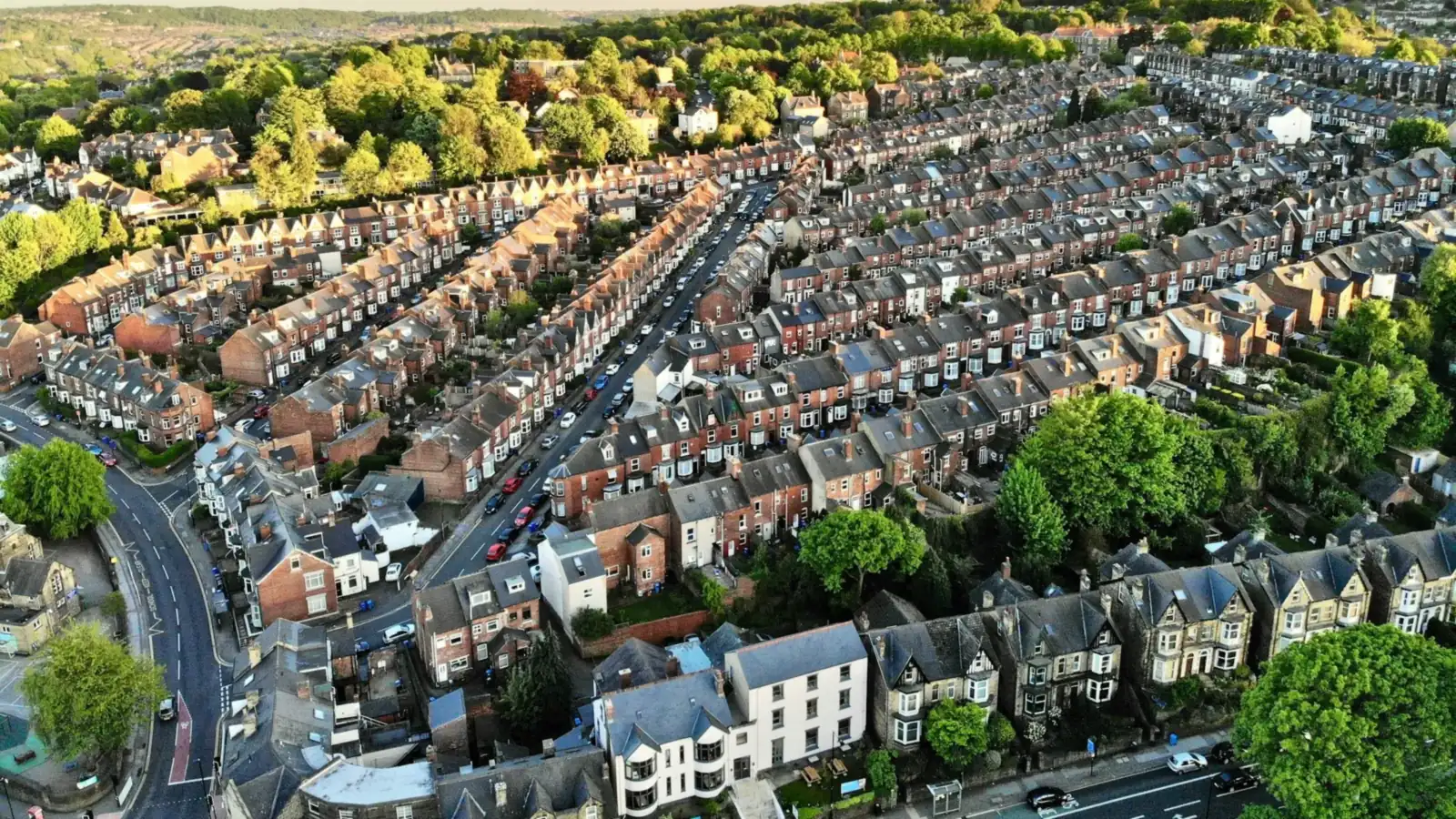

Architecture practice in Sheffield with architects on the Architects Registration Board (ARB) register.
On the ARB register · not yet claimed
Sheffield

Architecture practice in Sheffield with architects on the Architects Registration Board (ARB) register.
Architecture practice in Sheffield with architects on the Architects Registration Board (ARB) register.
Architecture practice in Sheffield with architects on the Architects Registration Board (ARB) register.
Architecture practice in Sheffield with architects on the Architects Registration Board (ARB) register.
Architecture practice in Sheffield with architects on the Architects Registration Board (ARB) register.
Architecture practice in Sheffield with architects on the Architects Registration Board (ARB) register.
Architecture practice in Sheffield with architects on the Architects Registration Board (ARB) register.
Architecture practice in Sheffield with architects on the Architects Registration Board (ARB) register.
Architecture practice in Sheffield with architects on the Architects Registration Board (ARB) register.
Architecture practice in Sheffield with architects on the Architects Registration Board (ARB) register.
Planning decisions are made by Sheffield City Council.
Checked against the linked sources on 14 October 2026 · Sheffield City Council area, England; figures to June 2026, council pages read 14 October 2026
In the four quarters to 30 June 2026, MHCLG's district tables record Sheffield City Council deciding 949 householder applications and granting 88.6% of them (MHCLG planning statistics). Householder cases are work to an existing dwelling: rear and side extensions, loft dormers, porches, garages and outbuildings. About 11.4% were refused or otherwise not granted.
On speed, our own arithmetic on the same counts gives 91.0% decided within eight weeks or an agreed extension. That is a calculation for this page, not an official MHCLG headline, and the council's online planning register is where you follow a live case.
| Measure | Figure | Period |
|---|---|---|
| Householder decisions | 949 | Year to 30 June 2026 |
| Granted | 88.6% | Year to 30 June 2026 |
| Decided in 8 weeks or agreed time (our calculation) | 91.0% | Year to 30 June 2026 |
| Average house price | £219,713 | July 2026 |
| Homes built 1945 to 1972 | 25.2% | 31 March 2026 |
| Population | 579,517 | Mid-2025 |
The Valuation Office Agency's Council Tax count splits Sheffield homes into 18.8% pre-1919, 21.1% from 1919 to 1939, 25.2% from 1945 to 1972, 16.2% from 1973 to 1999 and 17.4% from 2000 onwards, with 1.2% undated (VOA, 31 March 2026). The counts include flats, so they describe homes in general rather than houses alone.
The council's conservation page says Sheffield has 38 conservation areas within the city boundary, three of them in other planning authorities' hands, and it names 35 including Broomhill, Nether Edge, Ranmoor, Endcliffe, Dore, Totley, Fulwood, Whirlow, Kelham Island and Neepsend, and the City Centre. An interactive map sits on the page (Sheffield conservation areas). Read together, the two figures agree: 38 lie within the city boundary, other planning authorities handle three of them, and the council is the planning authority for the remaining 35. Confirm your address on the map or with the planning team.
Two of them have extra controls. The Broomhill page says an Article 4 Direction was brought in during 2009 and the Nether Edge page says 2005, both aimed at changes that could harm special character (Broomhill, Nether Edge). The council's conservation page gives one concrete example: solar panels on a roof slope facing a highway need permission there. Neither page lists affected properties in the text, so the linked direction documents are what to check.
Elsewhere in the city a separate Article 4 Direction applies in areas with many students, requiring permission for new houses in multiple occupation (planning permission checklist). The same page adds that homes built on small plots since 1970 may have lost permitted development rights through a planning condition. The council will supply the planning history for £25.
| What | Figure | Source |
|---|---|---|
| Householder decisions, Sheffield | 949 householder decisions | MHCLG, Live tables on planning application statistics: PS2, last four quarters to 30 June 20261 July 2025 to 30 June 2026 (four quarters); published 24 September 2026 |
| Share of householder decisions granted | 88.6% | MHCLG, Live tables on planning application statistics: PS2, last four quarters to 30 June 20261 July 2025 to 30 June 2026; calculated from published counts |
| Decided within 8 weeks or an agreed extension | 91.0% of householder decisions | MHCLG, Live tables on planning application statistics: PS2, last four quarters to 30 June 20261 July 2025 to 30 June 2026; our own calculation from PS2 counts, not a headline MHCLG measure |
| Average house price | £219,713 | HM Land Registry / ONS, UK House Price Index data downloads July 2026, average price (not seasonally adjusted)July 2026; published 16 September 2026 |
| Council Tax homes built before 1919 | 18.8% of the stock | Valuation Office Agency, Council Tax: stock of properties 2026, Table CTSOP4.031 March 2026; published 24 September 2026 |
| Council Tax homes built 1945 to 1972 | 25.2% of the stock | Valuation Office Agency, Council Tax: stock of properties 2026, Table CTSOP4.031 March 2026; published 24 September 2026 |
| Population | 579,517 people | ONS, Estimates of the population for England and Wales, Table MYE2Mid-2025 (2023 local authority boundaries); released 29 July 2026 |
| Conservation areas | 38 on the council's page; 35 listed for which the city is the planning authority | Sheffield City Council, Conservation areasCouncil page read 14 October 2026 |
| Pre-application desk-top opinion, house extension or alteration | £126 including VAT | Sheffield City Council, Schedule of planning application enquiry feesFees from 1 April 2026; document last modified 24 March 2026 |
| Designing House Extensions guidance | Approved by the City Council on 1 July 1996 | Sheffield City Council, Designing House Extensions (supplementary planning guidance)Document read 14 October 2026 |
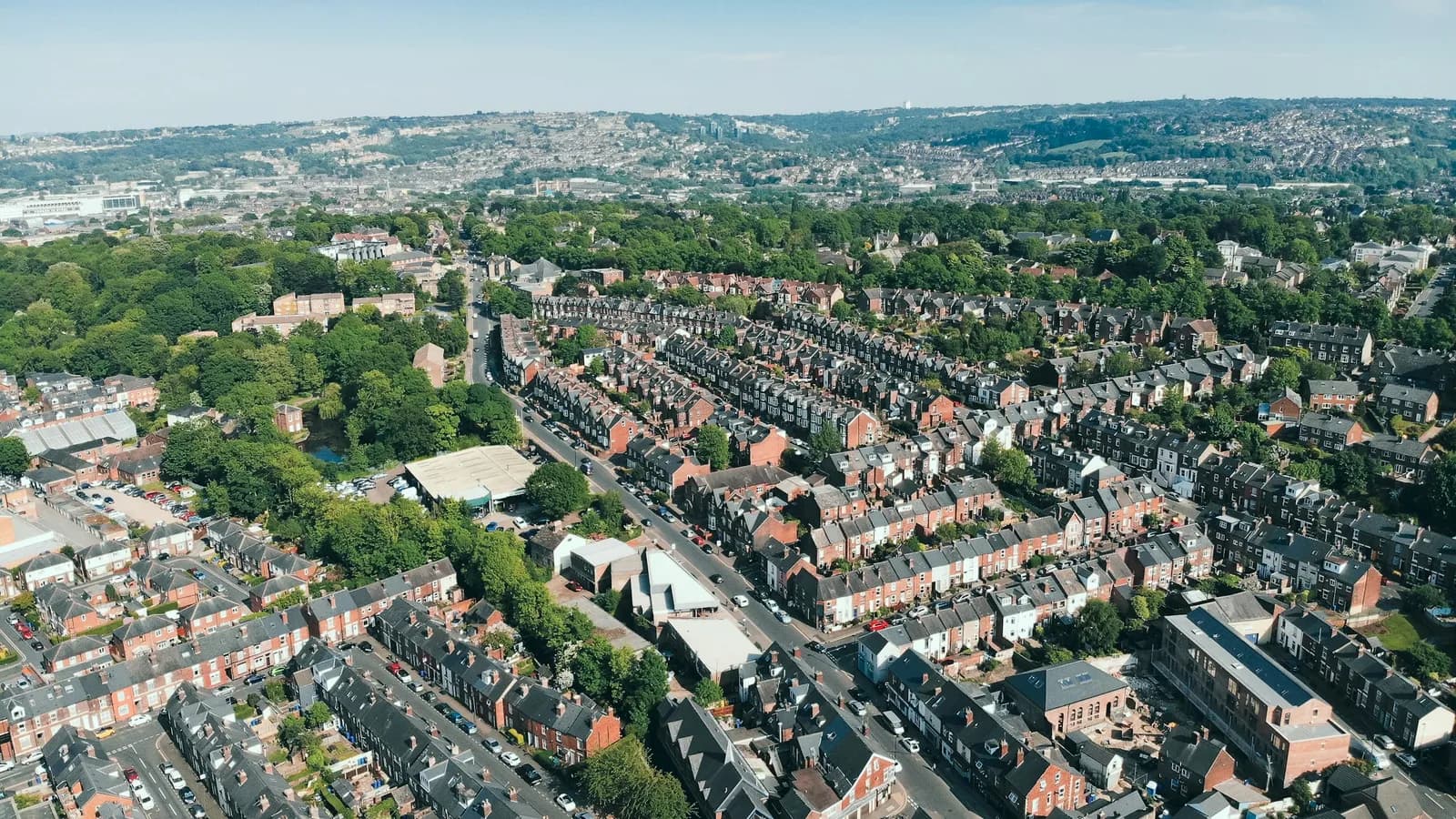
The council's list of approved guidance includes Designing House Extensions as its only householder-specific document (approved planning guidance). The PDF states that it was approved as a final document on 1 July 1996 and that it supplements the Unitary Development Plan (guidance PDF). It does not apply to flats, which always need permission, nor to conservation areas or listed buildings, where stricter criteria apply. Several rules of thumb are specific:
Pre-application advice is a chargeable service. The council's fee schedule from 1 April 2026 lists £126 including VAT for a desk-top study on a house extension or alteration and £189 for simple listed building, conservation or policy advice. The enquiry form says no work is carried out until the fee has been received (enquiry page, fee schedule). The council's procedure note aims to give advice on small-scale or minor schemes within four weeks but does not guarantee it (procedure note).
The council's householder checklist asks for existing and proposed elevations showing materials and the relationship with neighbouring openings, a cross-section showing levels against adjoining houses and gardens where relevant, and drawings at 1:50 or 1:100 with key dimensions (Householder Requirements, dated 7 January 2013). Its national requirements still cite the 1995 procedure order, so ask whether anything has been added since.
Anyone using the title must appear on the Architects Registration Board's register (ARB public information). If you are unsure whether an address falls under Sheffield or a neighbouring authority such as the Peak District National Park, our guide to finding your local planning authority shows how to check.
For individual projects see Sheffield house extensions, Sheffield loft conversions and Sheffield planning applications.
Sheffield City Council granted 88.6% of the 949 householder applications it decided from July 2025 to June 2026, according to MHCLG district statistics. The figure covers every kind of householder scheme, so it cannot predict a particular application. Neighbour impact, street character and heritage constraints decide individual cases.
The council's schedule from 1 April 2026 lists £126 including VAT for a desk-top study on a house extension or alteration. Simple listed building or conservation advice is £189. The council says it carries out no work until the fee is received, and its procedure note aims for advice on smaller schemes within four weeks, without a guarantee.
The council's page says Sheffield has 38 conservation areas within the city boundary, three of which sit in other planning authorities, and it lists 35 by name. The two figures reconcile, but check your address on the council's interactive map or ask the planning team before assuming permitted development applies.
Yes. Designing House Extensions is on the council's approved guidance list. The PDF was approved by the City Council on 1 July 1996 and covers projection limits, privacy distances, garden size and parking. It is old, so confirm with the planning team which current policies apply with it.
Probably yes for many alterations. The council says Article 4 Directions in both conservation areas remove permitted development rights for certain changes, and that many alterations there now need permission. The exact properties covered are in the direction documents, so check your address with the council first.
Rules and fees change, so check the linked page before you rely on a figure. Most planning and building rules here are for England; Wales, Scotland and Northern Ireland differ. This page is general information, not professional advice. Hero photo: Photographer: Ben Elliott. Photo page on Unsplash (Unsplash licence (free to use), as shown on the photo page on 14 October 2026. Location given as Sheffield, UK.).