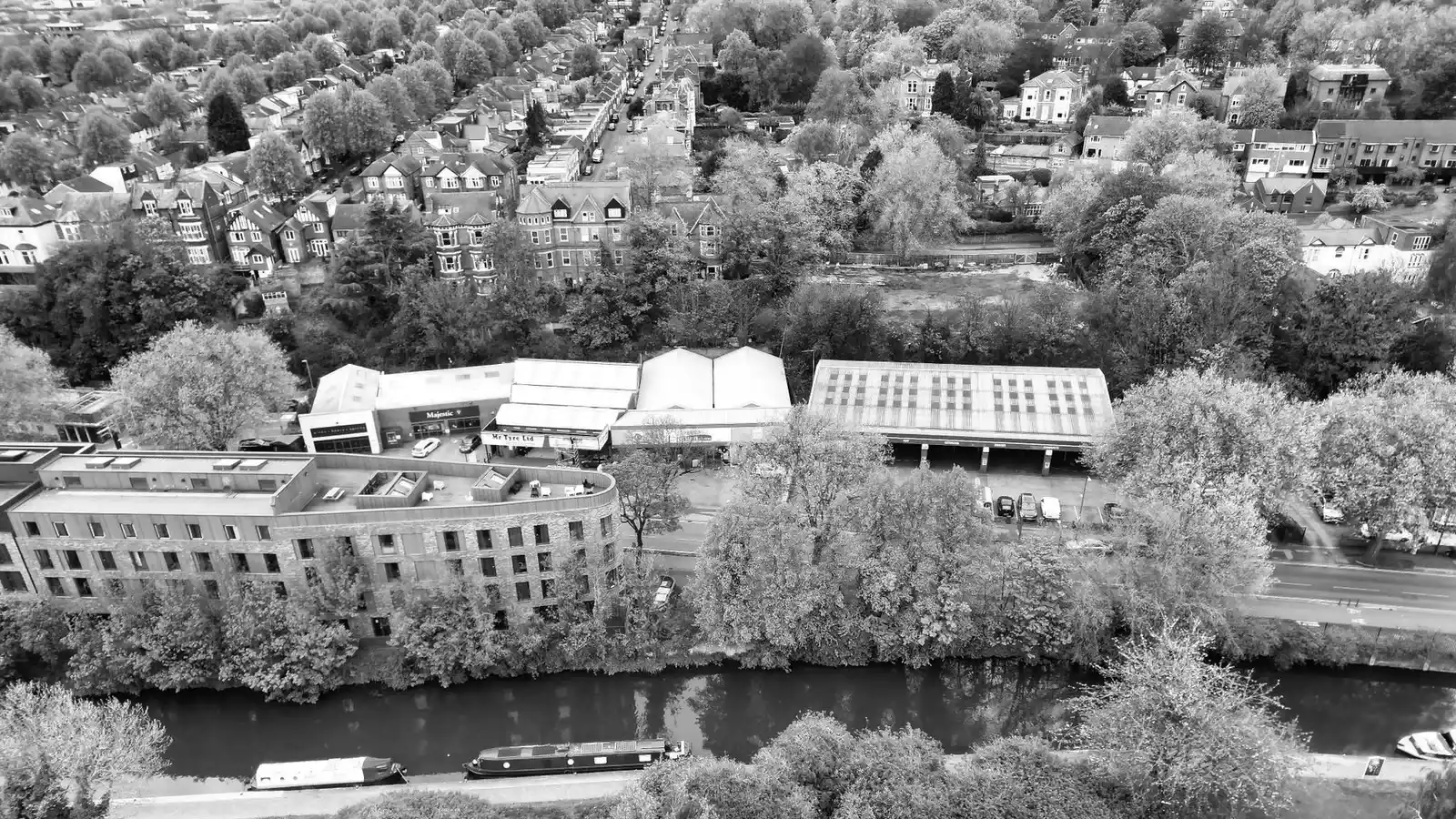

Architecture practice in Nottingham with architects on the Architects Registration Board (ARB) register.
On the ARB register · not yet claimed
Nottingham

Architecture practice in Nottingham with architects on the Architects Registration Board (ARB) register.
Architecture practice in Nottingham with architects on the Architects Registration Board (ARB) register.

Architecture practice in Nottingham with architects on the Architects Registration Board (ARB) register.

Architecture practice in Nottingham with architects on the Architects Registration Board (ARB) register.
Architecture practice in Nottingham with architects on the Architects Registration Board (ARB) register.
Architecture practice in Nottingham with architects on the Architects Registration Board (ARB) register.

Architecture practice in Nottingham with architects on the Architects Registration Board (ARB) register.
Architecture practice in Nottingham with architects on the Architects Registration Board (ARB) register.
Architecture practice in Nottingham with architects on the Architects Registration Board (ARB) register.
Architecture practice in Nottingham with architects on the Architects Registration Board (ARB) register.
Planning decisions are made by Nottingham City Council.
Checked against the linked sources on 14 October 2026 · Nottingham City Council area, England; figures to June 2026, council pages read 14 October 2026
MHCLG's district tables show Nottingham City Council deciding 393 householder applications in the four quarters to 30 June 2026 and granting 90.6% of them (MHCLG planning statistics). Householder means work to an existing home: rear and side extensions, loft dormers, porches, garages and outbuildings. The remaining 9.4% were refused or otherwise not granted, which is a reminder that a design still has to earn its consent.
Speed is a different story. Our own arithmetic on the same published counts gives 73.3% decided within eight weeks or an agreed extended period. That is a calculation made for this page, not an MHCLG headline measure, but it suggests building some slack into a programme. You can follow a live case on the council's online planning register.
| Measure | Figure | Period |
|---|---|---|
| Householder decisions | 393 | Year to 30 June 2026 |
| Granted | 90.6% | Year to 30 June 2026 |
| Decided in 8 weeks or agreed time (our calculation) | 73.3% | Year to 30 June 2026 |
| Average house price | £190,200 | July 2026 |
| Homes built 1945 to 1972 | 24.5% | 31 March 2026 |
| Population | 325,765 | Mid-2025 |
The Valuation Office Agency's Council Tax count puts 17.2% of the city's homes before 1919, 19.0% between 1919 and 1939, 24.5% between 1945 and 1972, 18.4% between 1973 and 1999 and 19.9% from 2000 onwards, with 1.0% undated (VOA, 31 March 2026). Flats are included, so these bands describe homes in general rather than houses alone.
The council's conservation areas page says Nottingham has 33 conservation areas and describes each one, from the Lace Market, Canal and Old Market Square to Mapperley Park and Alexandra Park, The Park, Wollaton Village and Old Lenton (conservation areas). A separate page links the council's online property check for conservation areas and listed buildings (conservation areas and listed buildings). A house in any conservation area loses the permitted development route for loft conversions, so it needs a planning application.
Article 4 Directions go further in places. The council says they remove permitted development for certain minor works on specific properties, mostly in conservation areas, such as small extensions, outbuildings, and changes to windows and doors. It names Devonshire Promenade, Foxhall Road, Sneinton, Strelley village, Waterloo Promenade and Wellington Terrace, and links each direction document. Its advice is to use the Minor Works Enquiry Service if you are thinking of work there (Article 4 page).
One Article 4 Direction applies across the whole city and concerns shared housing. Turning a family home into a house in multiple occupation for three to six unrelated people needs planning permission, and the council describes consent as highly unlikely. That matters if a loft or rear scheme is meant to add bedrooms for sharers.
| What | Figure | Source |
|---|---|---|
| Householder decisions, Nottingham | 393 householder decisions | MHCLG, Live tables on planning application statistics: PS2, last four quarters to 30 June 20261 July 2025 to 30 June 2026 (four quarters); published 24 September 2026 |
| Share of householder decisions granted | 90.6% | MHCLG, Live tables on planning application statistics: PS2, last four quarters to 30 June 20261 July 2025 to 30 June 2026; calculated from published counts |
| Decided within 8 weeks or an agreed extension | 73.3% of householder decisions | MHCLG, Live tables on planning application statistics: PS2, last four quarters to 30 June 20261 July 2025 to 30 June 2026; our own calculation from PS2 counts, not a headline MHCLG measure |
| Average house price | £190,200 | HM Land Registry / ONS, UK House Price Index data downloads July 2026, average price (not seasonally adjusted)July 2026; published 16 September 2026 |
| Council Tax homes built 1945 to 1972 | 24.5% of the stock | Valuation Office Agency, Council Tax: stock of properties 2026, Table CTSOP4.031 March 2026; published 24 September 2026 |
| Population | 325,765 people | ONS, Estimates of the population for England and Wales, Table MYE2Mid-2025 (2023 local authority boundaries); released 29 July 2026 |
| Conservation areas | 33 on the council's page | Nottingham City Council, Nottingham's Conservation AreasCouncil page read 14 October 2026 |
| Pre-application fee, householder development (written response only) | £120 including VAT; £140 an hour for additional time | Nottingham City Council, Pre-application advice charging structure, April 2025Fee table dated April 2025; read 14 October 2026 |

The council's list of adopted supplementary planning documents includes caves, biodiversity, carbon and several regeneration areas, but no guide dedicated to house extensions (adopted SPDs and guidance). Design expectations instead sit in its Design Quality Framework, which the council says is being updated as an authority-wide design code, with the next revision programmed for December 2028 (support for applicants). For conservation areas the council has published a 2025 guidance note covering dormers, extensions, windows, roofing and insulation (guidance note).
The council's householder checklist asks for forms, a site location plan, the plans needed to describe the work, an ownership certificate and the fee. A design and access statement is needed if the house is listed or in a conservation area. It also flags a protected species survey where a loft conversion is proposed, a flood risk assessment in a flood zone, and a heritage statement for work in the grounds of a listed building (householder checklist). Its wider validation guidance asks for PDF drawings, kept to A3 or A4 sheets where possible.
Before paying for anything, the council advises an informal discussion with the planning team free of charge, after which it says whether further advice is worthwhile. Formal advice is chargeable: the April 2025 fee table lists £120 including VAT for householder development as a written response only, £170 for a householder listed building request, and £140 an hour for extra time (fee table). The council aims to reply to smaller enquiries in four weeks and says its advice cannot commit it to a decision (pre-application page).
The city council's boundary is drawn tightly. West Bridgford sits in Rushcliffe, Beeston in Broxtowe and Arnold in Gedling, and each of those councils runs its own planning service, fees and design rules. Do not apply the figures on this page to an address outside the city. Our guide to finding your local planning authority shows how to check.
The title architect is protected, and every genuine holder appears on the Architects Registration Board's register (ARB public information).
For individual projects see Nottingham house extensions, Nottingham loft conversions and Nottingham planning applications.
Nottingham City Council granted 90.6% of the 393 householder applications it decided from July 2025 to June 2026, according to MHCLG district statistics. That covers every kind of householder scheme, so it cannot forecast a particular application, which will turn on neighbour impact, design and any heritage constraints.
Its April 2025 fee table lists £120 including VAT for householder development, as a written response only, with £140 an hour for extra time. A listed building householder request is £170. The council also offers a free informal discussion first and aims to reply to smaller enquiries within four weeks.
The council's conservation areas page says Nottingham has 33, including the Lace Market, Mapperley Park and Alexandra Park, The Park, Wollaton Village and Old Lenton. Confirm your own address on the council's online property check, because a conservation area changes which permitted development rights you can use.
Not as a supplementary planning document: none of those on the council's adopted list is a householder extensions guide. The council points applicants to its Design Quality Framework and, for conservation areas, to its 2025 guidance note. Ask the planning team which policies they will weigh against your design.
No. West Bridgford is in Rushcliffe, Beeston in Broxtowe and Arnold in Gedling, and each of those councils decides its own planning applications. Nottingham City Council's area is tightly drawn, so check which authority covers your postcode before you read its fees or design guidance.
Rules and fees change, so check the linked page before you rely on a figure. Most planning and building rules here are for England; Wales, Scotland and Northern Ireland differ. This page is general information, not professional advice. Hero photo: Photographer: Altaf Shah. Photo page on Pexels (Pexels licence (free to use), as shown on the photo page on 14 October 2026. Location given as Nottingham.).