
Architect or architectural designer: which do you need?
Only someone on the ARB register can use the title architect in business, but anyone can lawfully offer architectural design services. The right choice depends on how complex, sensitive and design-led your project is, not on the title alone.
Checked against the linked sources on 13 October 2026 · UK; title rules from the Architects Act 1997; listed building rules for England
Searches for an architectural designer for a house extension usually come from someone who has seen two quotes of very different sizes, or who has been told a designer can draw the same plans for less. That can be true in some cases and unhelpful in others. This guide sets out what the labels legally mean, what the other professional routes offer and the kinds of project where paying for an ARB-registered architect is most likely to be worthwhile.
What does the title architect protect?
The Architects Act 1997 bars anyone from practising or carrying on business under a name, style or title that contains the word architect unless they are on the register kept by the Architects Registration Board (section 20). Naval architect, landscape architect and golf-course architect are carved out. Breaking the rule is an offence, with a fine on summary conviction of up to level 4 on the standard scale (section 21).
What the Act leaves open matters just as much. ARB's guidance for the public says anyone, architect or not, can lawfully provide architectural services in the UK, and that the protection does not reach terms such as architectural consultant or architectural assistant (ARB, who can use the title). Nothing in that guidance makes designer a protected word either, so check ARB directly if you meet a description you are unsure about. In plain terms, the title tells you the person has met the register's requirements and is answerable to a regulator. It does not stop someone else from drawing your plans.
What can an architectural designer or technologist do?
Architectural designer is a description rather than a credential, which means it covers a wide range: from highly capable people with years of residential experience to someone who has only recently started. That is why the useful question is not which label they use but what they can show. One route with a recognised qualifying process is the Chartered Architectural Technologist, a title awarded by the Chartered Institute of Architectural Technologists (CIAT). CIAT states that it is a legally protected title and descriptor limited to people who have completed its qualifying process (CIAT, recommended titles and descriptors). The government's regulated professions record describes the profession as regulated under Royal Charter and notes that no activities are reserved to it, since restrictions apply to the use of the title only (UK Regulated Professions Database).
The same record says chartered architectural technologists are qualified to design, manage and lead projects of all types from inception to completion, with no restriction on size, type, function or use. In everyday terms, that makes a chartered technologist a credible option for detailed technical design, building regulations drawings and project management on a typical home extension.
| ARB-registered architect | Chartered architectural technologist | Someone using a looser description | |
|---|---|---|---|
| Protected title? | Yes, under the Architects Act 1997 | Yes, through CIAT's Royal Charter arrangements | No single protected title; the Act does not protect designer |
| Regulator or body | ARB, a statutory regulator | CIAT, a chartered institute | None unless they choose to join a body |
| Public register to search | Yes, the Architects Register | Check with CIAT | Not necessarily |
| Work reserved by law? | No: anyone may provide architectural services | None reserved to the title | Not applicable |
| What you should still ask for | Insurance, written terms, relevant experience | The same | The same, and evidence of past work and professional references |
When is an ARB-registered architect worth it?
Choose registration and the regulator's backstop when the stakes or the complexity are higher. Three situations stand out.
In numbers
| What | Figure | Source |
|---|---|---|
| Who may use the title architect | Only someone on the Architects Register | ARB, who can use the title architectPage read 13 October 2026 |
| Who can lawfully provide architectural services | Anyone, architect or not, according to ARB | ARB, who can use the title architectPage read 13 October 2026 |
| Penalty for using the title without being registered | A fine not exceeding level 4 on the standard scale (summary conviction) | legislation.gov.uk, Architects Act 1997, section 21Current text, read 13 October 2026 |
| Title misuse cases opened by ARB | 892 new title cases in 2025 (586 in 2024) | ARB, 2025 year in review2025 figures, page read 13 October 2026 |
| Activities reserved to chartered architectural technologists | None; restrictions apply to use of the title only | UK Regulated Professions Database, chartered architectural technologistPage read 13 October 2026 |
| Scope the government record gives chartered architectural technologists | Qualified to design, manage and lead on all project types, with no restriction on building size, type, function or use | UK Regulated Professions Database, chartered architectural technologistPage read 13 October 2026 |
| Working on a listed building without consent | A criminal offence; consent given later applies only from the date it is granted | Planning Portal, Listed building consentPage read 13 October 2026; England |
| Maximum penalty for the listed building offence | Up to six months' imprisonment, a fine or both on summary conviction; up to two years, a fine or both on indictment | legislation.gov.uk, Planning (Listed Buildings and Conservation Areas) Act 1990, section 9Current text, read 13 October 2026 |
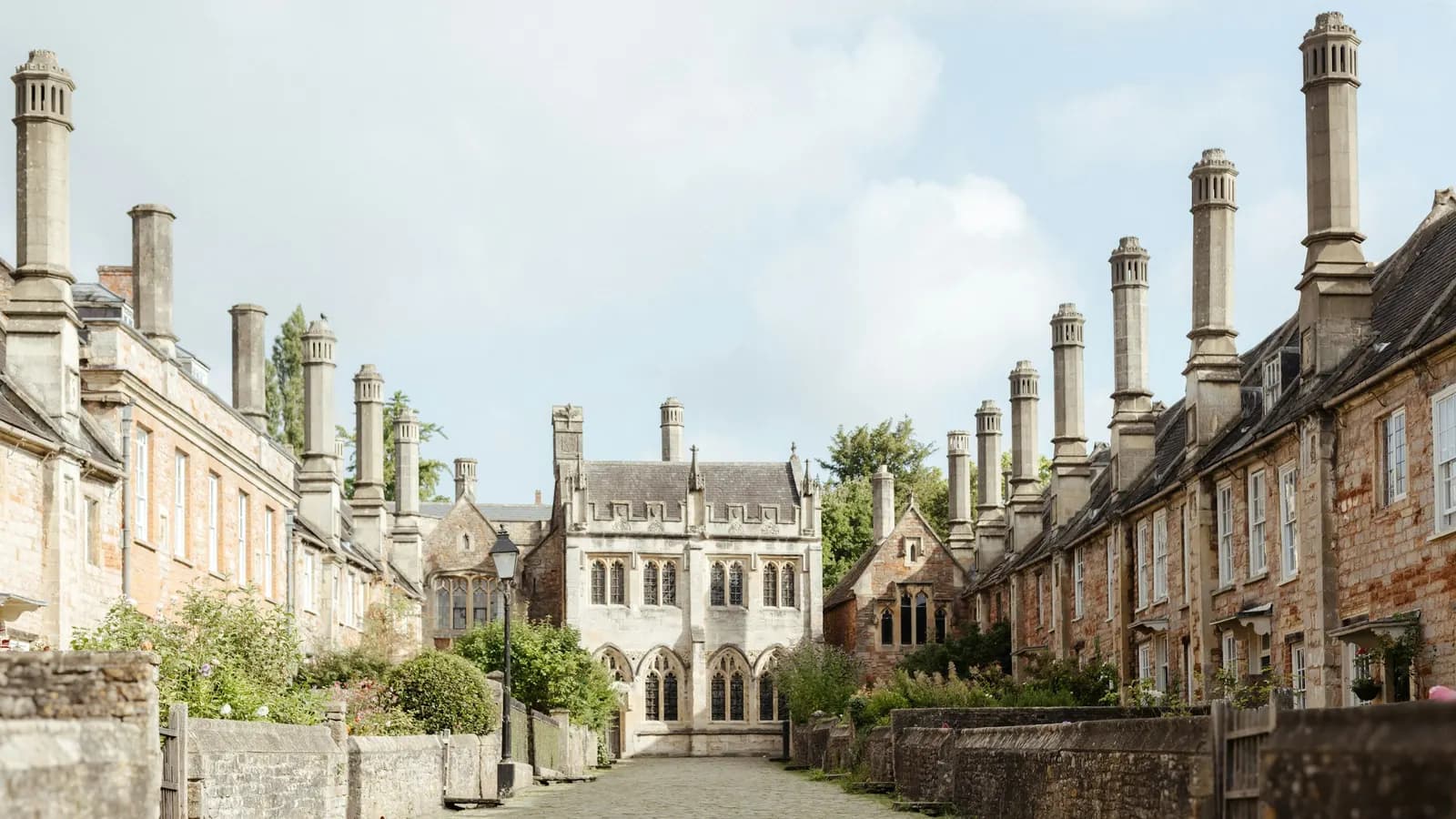
- Heritage assets. Listed building consent is needed for work that is likely to affect a listed building's special character, and it is a criminal offence to do such work without it (Planning Portal). A mistake can be prosecuted, with penalties on conviction of up to six months' or two years' imprisonment, a fine or both, depending on the court (Planning (Listed Buildings and Conservation Areas) Act 1990, section 9). Work like this rewards an architect who has handled heritage statements before. See listed building projects.
- Difficult sites and layouts. Where a plot is constrained, levels change, neighbours overlook or the existing structure limits what can be done, the value is in design judgement more than drawing.
- Design-led projects. If the point of the project is how the space feels, the light it gets or how it connects to a garden, a design-trained architect's contribution is largely the decision-making you are paying for.
When might a designer or technologist be enough?
A project with a clear brief, a conventional layout and no designations can be well within the range of a competent designer or chartered technologist. A single-storey rear extension on an unlisted house, a loft with a standard roof form or an internal reconfiguration are examples where the main task is clear drawings, coordination with structural input and good communication. The guide to extensions and the loft conversion page explain the rules those projects meet.
Here a lower fee is not automatically a lower-quality service, but you carry more of the checking yourself. Confirm that the person has relevant professional indemnity insurance, because ARB's own checklist for clients recommends terms of engagement that confirm adequate and appropriate insurance cover, an explanation of what to do if you have a complaint and how disputes are settled (ARB, checklist before hiring). That list is aimed at architects' clients, but every one of those items is just as reasonable to ask of anyone else.
How do I check who I am dealing with?
If a person or firm uses the word architect, find them on the Architects Register by registration number, name or business address and compare it with what they told you. ARB opened 892 new title cases in 2025, up from 586 in 2024, so misuse does happen (ARB, 2025 year in review). If they describe themselves as a chartered technologist, ask for their CIAT membership details and verify them with the institute. If they use neither, ask what they are qualified in and for examples of similar completed work. The sister guide on how the two architect bodies differ covers the institute side.
What should I ask before choosing?
- Which qualification or registration do you hold, and where can I verify it?
- Can you show two or three completed projects like mine, and may I speak to those clients?
- Who will do the drawings and who will deal with the council?
- What insurance do you hold, and what does it cover?
- What is included in the fee, and what is not? See how architect fees are structured.
- What will you do if the council asks for changes, and is that inside the fee?
- What is your complaints process and what are the cancellation terms?
Compare at least two written proposals against the same brief. Differences in the scope sections usually explain differences in price better than the totals do.
Questions people ask
Can an architectural designer do the same work as an architect?
Legally, yes for most design work: ARB says anyone can lawfully provide architectural services in the UK. What an architect adds is the protected title, a place on a statutory register, and accountability to a regulator and its Code. Experience and insurance still vary, so check both whoever you hire.
Is architectural designer a protected title?
The Architects Act 1997 protects the word architect in business use, with defined exceptions. ARB's guidance says the protection does not extend to terms like architectural consultant or architectural assistant, and it does not name designer as protected. If you are unsure whether a description is allowed, ask ARB.
What is a chartered architectural technologist?
It is a title awarded by the Chartered Institute of Architectural Technologists after its qualifying process. The government's regulated professions database says such technologists are qualified to design, manage and lead all project types, and that no activities are reserved to the title. Ask for their CIAT membership details.
Do I need an architect for a house extension?
There is no general legal requirement to use an architect for an extension. ARB confirms that anyone can lawfully provide architectural services. Whether you want one depends on the complexity, the site and designations such as listing. You will still need to meet planning and building regulations requirements.
When is an ARB-registered architect worth the extra?
Typically on listed buildings, difficult or constrained sites, and design-led projects where the layout, light and detailing are the point. A criminal offence applies to unauthorised work on a listed building, so specialist heritage experience matters. For simpler work, a competent designer or technologist may be enough.
Sources
- Who can use the title architect (ARB, opened 13 October 2026)
- Checklist before hiring an architect (ARB, opened 13 October 2026)
- 2025 year in review (ARB, opened 13 October 2026)
- Architects Act 1997, section 20 (legislation.gov.uk, opened 13 October 2026)
- Architects Act 1997, section 21: Offence (legislation.gov.uk, opened 13 October 2026)
- Recommended titles and descriptors (CIAT, opened 13 October 2026)
- Chartered architectural technologist (UK Regulated Professions Database (GOV.UK), opened 13 October 2026)
- Listed building consent (Planning Portal, opened 13 October 2026)
- Planning (Listed Buildings and Conservation Areas) Act 1990, section 9 (legislation.gov.uk, opened 13 October 2026)
Rules and fees change, so check the linked page before you rely on a figure. Most planning and building rules here are for England; Wales, Scotland and Northern Ireland differ. This page is general information, not professional advice. Hero photo: Photographer: Lucy Davis. Photo page on Unsplash (Unsplash Licence (free to use). Location on the photo page: The Royal Crescent, England, UK.).